Healthier Communities. A Safer Environment. A More Resilient Community.
Jamii Rescue Organization (JRO) works with government and communities across Tanzania to strengthen health systems, protect and conserve the environment..
We work with communities to improve health and well-being by strengthening local capacity, expanding access to essential information and services, and supporting people to make healthier choices and build more resilient lives.
Learn more →
We support communities to protect the natural resources they depend on, adapt to climate change, and build sustainable livelihoods that strengthen resilience while safeguarding the environment for future generations.
Learn more →
We support vulnerable individuals, families and communities affected by humanitarian crises, displacement, poverty, disasters and other shocks through timely assistance, protection, recovery and resilience-building.
Learn more →
We work with communities to expand access to clean, reliable and affordable energy while creating opportunities for green entrepreneurship, innovation and sustainable livelihoods.
Learn more →JRO believes that lasting change begins when communities are not only supported to address immediate challenges, but are also equipped with the knowledge, systems, resources and opportunities to manage future risks. Our approach follows a simple pathway: Listen → Co-Design → Act → Strengthen → Adapt.
We begin by listening to communities and understanding the realities they face. We assess needs, vulnerabilities, risks, existing capacities, local knowledge and opportunities, using community engagement, data and evidence to understand what matters most.
We work with communities, government, local institutions and partners to design responses together. Rather than applying pre-set solutions, we build on local knowledge, existing systems and community priorities to develop practical and locally appropriate interventions.
We translate priorities into action through programmes across our four pillars: Health and Well-being; Conservation and Climate Resilience; Humanitarian Response and Protection; and Renewable and Sustainable Energy. Where appropriate, these interventions are connected so that progress in one area reinforces progress in another—for example, linking climate resilience with livelihoods, health with community awareness, or clean energy with economic opportunity.
We focus not only on delivering activities, but on strengthening the people, institutions and systems that can sustain change. This includes developing community leadership, strengthening local organizations, building skills, supporting livelihoods, improving access to information and strengthening linkages with government and other service providers.
Communities and their environments are constantly changing. JRO therefore uses monitoring, evaluation, accountability, learning and community feedback to understand what is working, what is not, and what needs to change. Evidence and learning are used to continuously improve our programmes and strengthen resilience over time.
As a young local organization, JRO is building its programmes, partnerships, and systems with impact and accountability in mind from the beginning. Our Monitoring, Evaluation, Accountability and Learning (MEAL) approach is designed to generate credible evidence, capture community perspectives, support continuous learning, and strengthen accountability to the people we serve, government, partners, and funding organizations.
Improved health, well-being, knowledge and access to essential services.
Stronger protection, preparedness and support for people affected by humanitarian and climate-related shocks.
Greater opportunities for vulnerable households to build secure, productive and climate-resilient livelihoods.
Protected ecosystems, responsible natural-resource use and increased access to sustainable energy solutions.
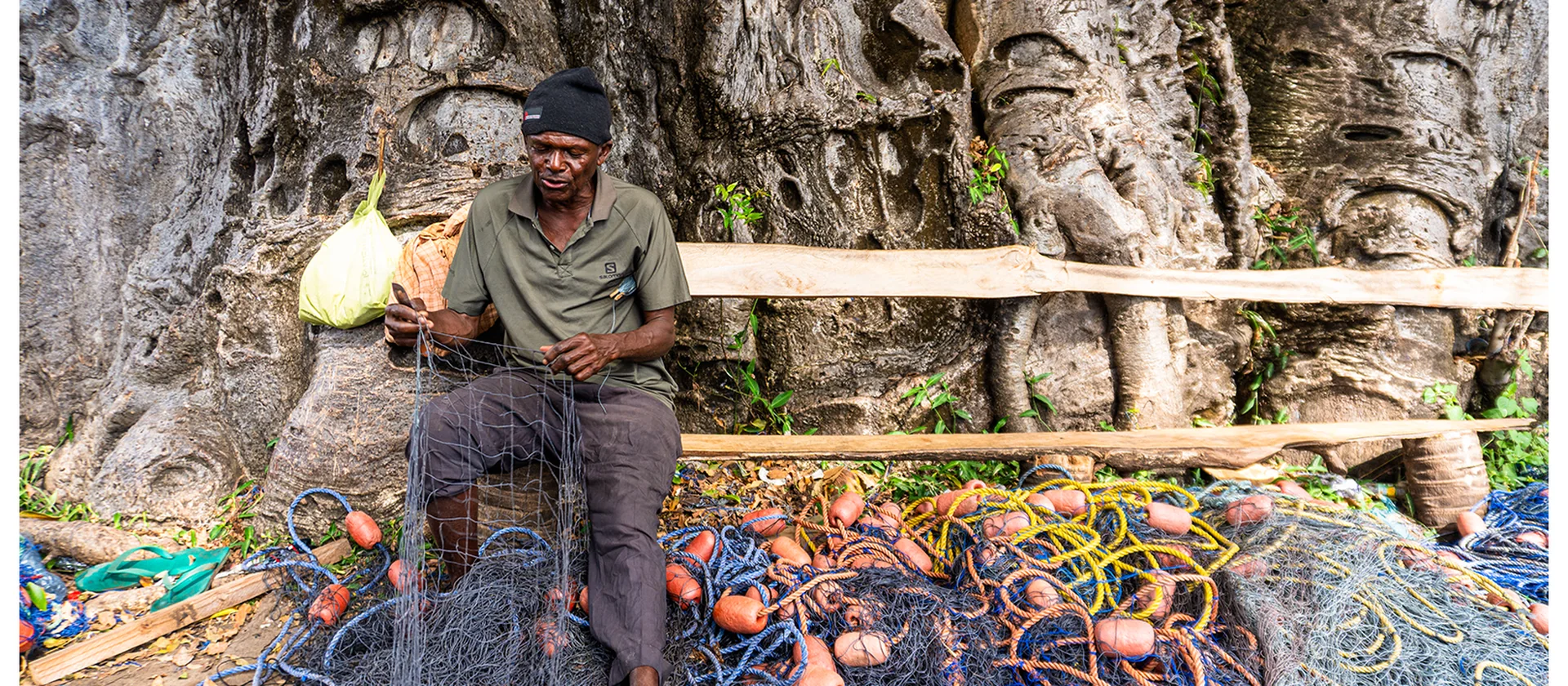
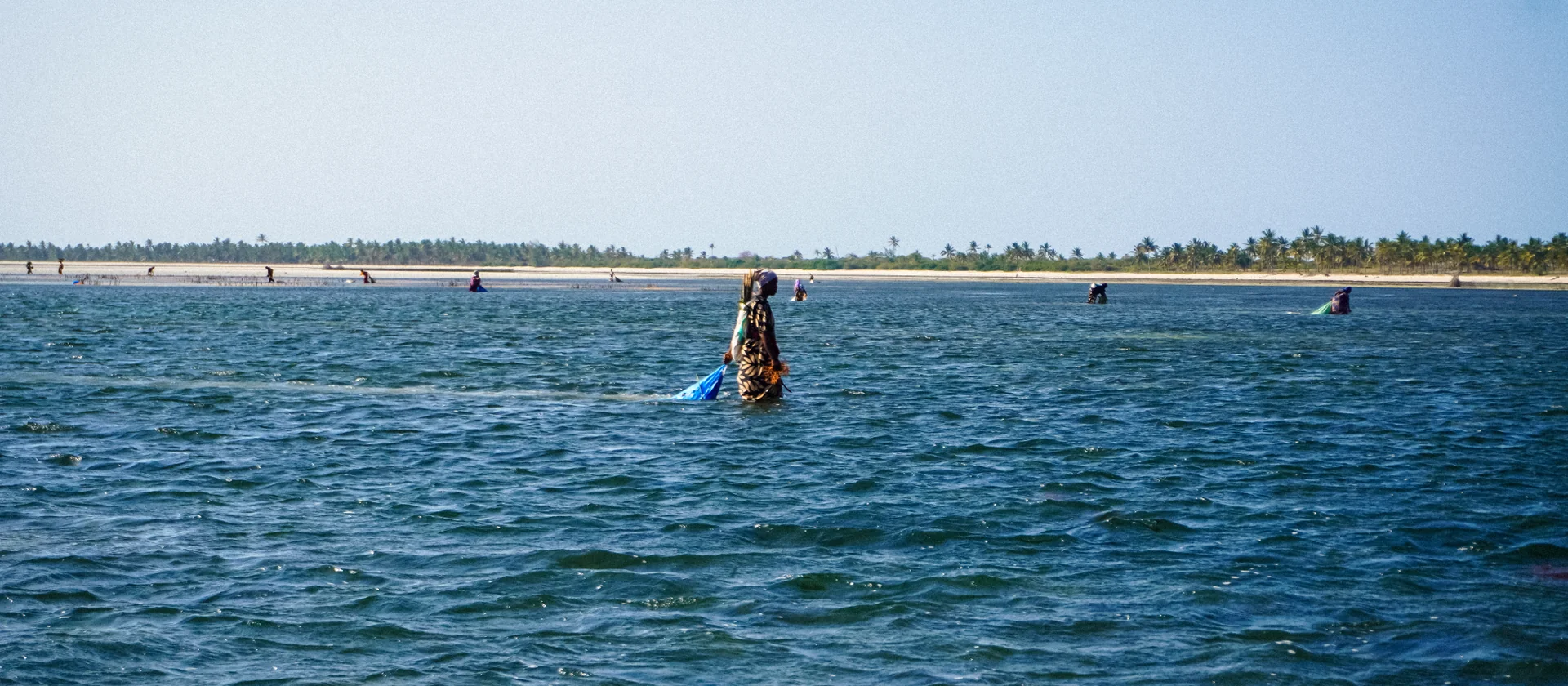
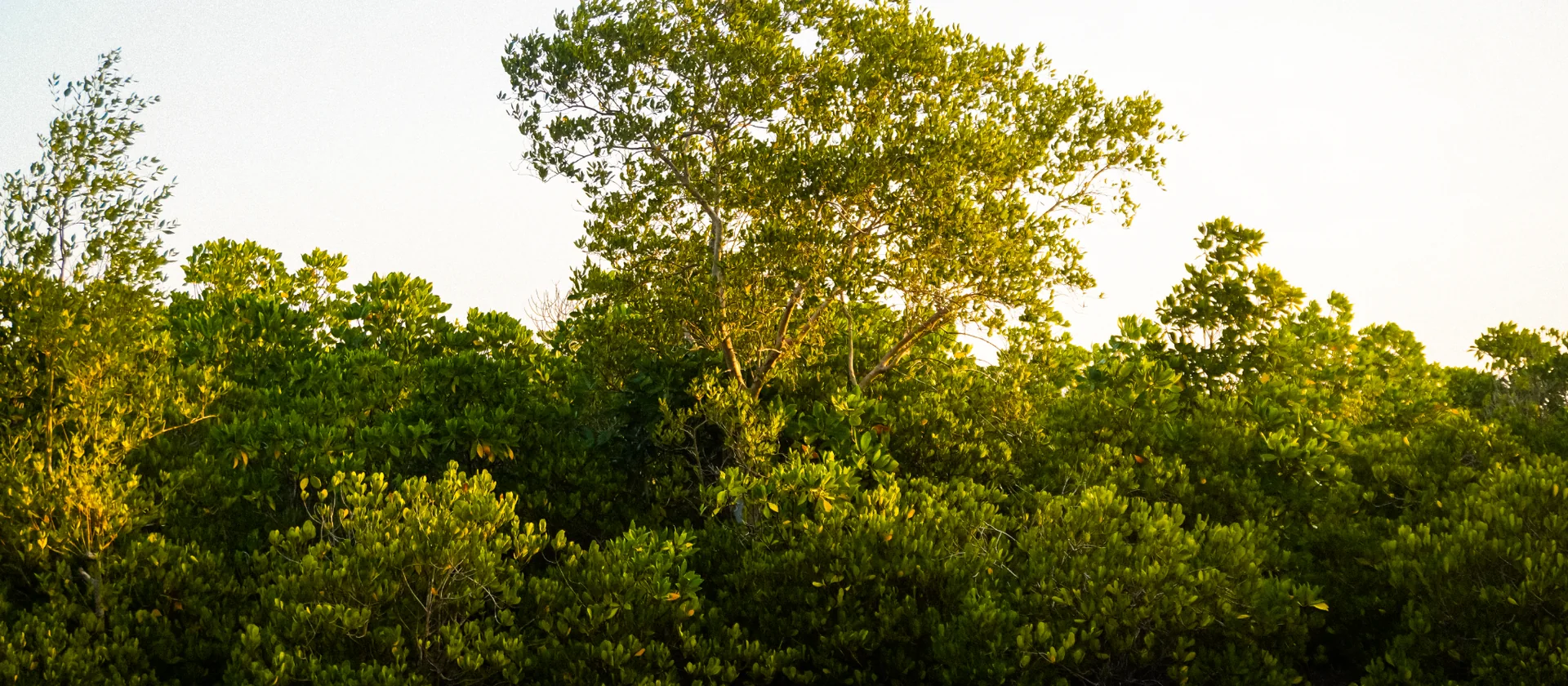
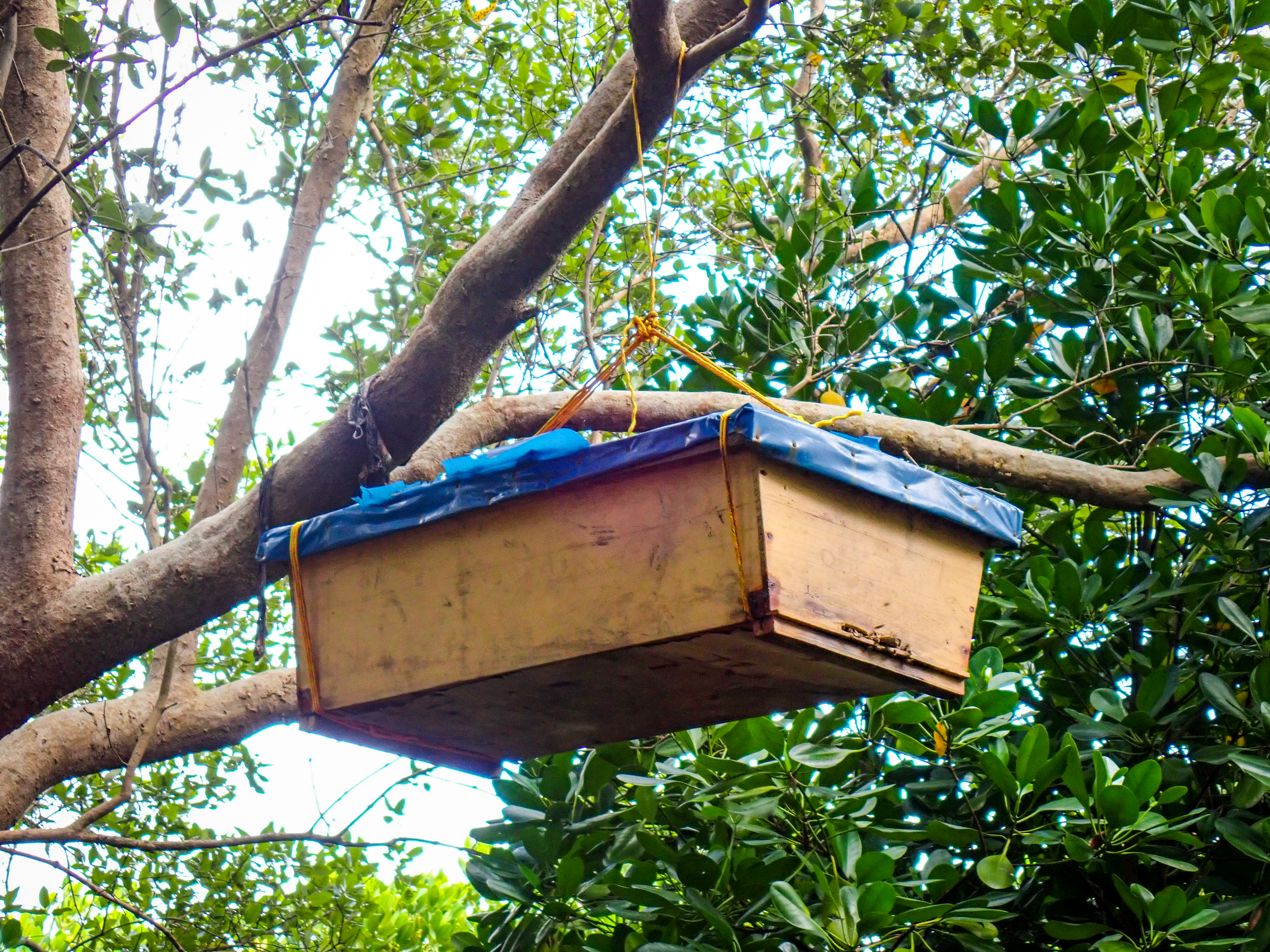
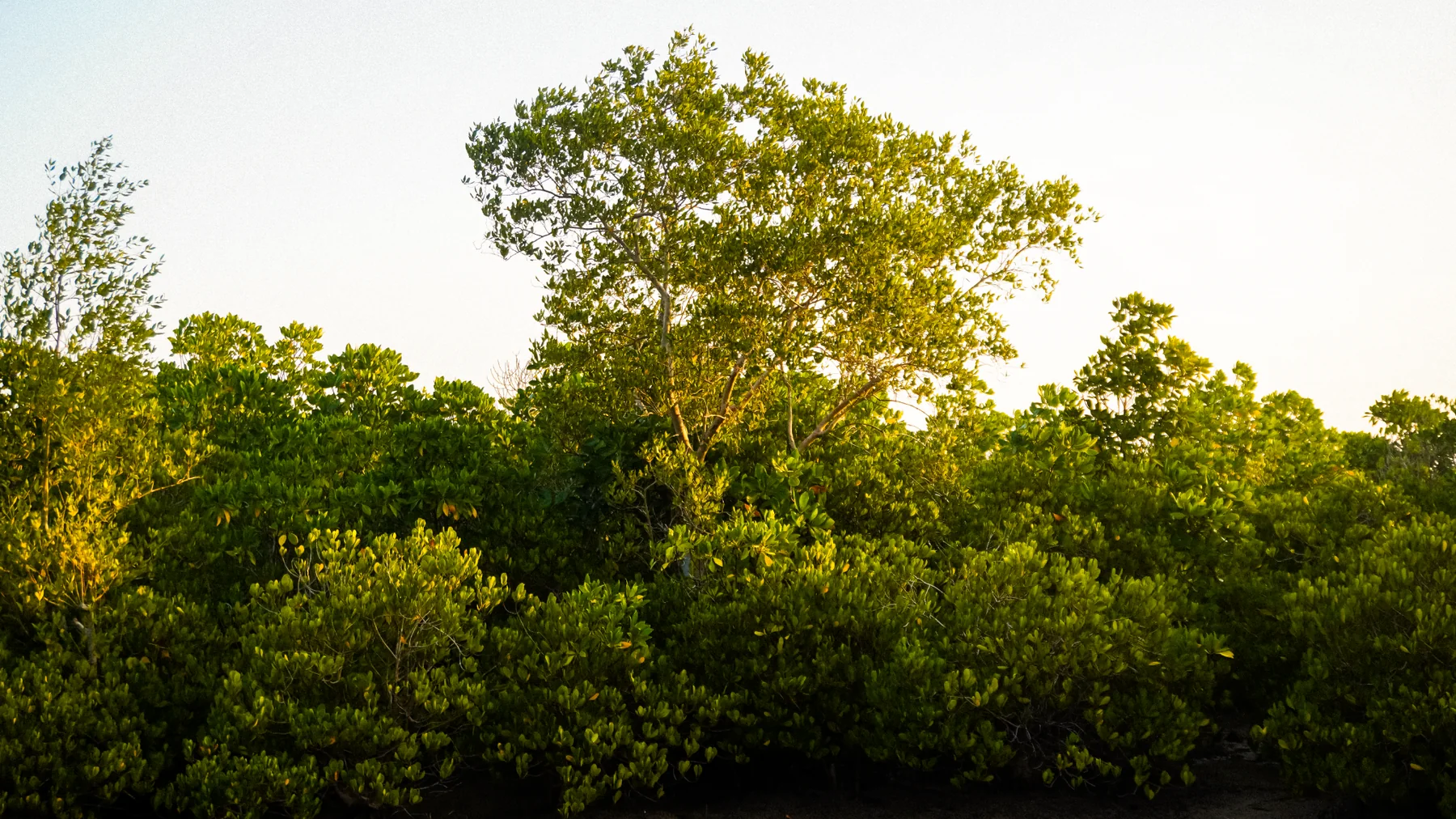
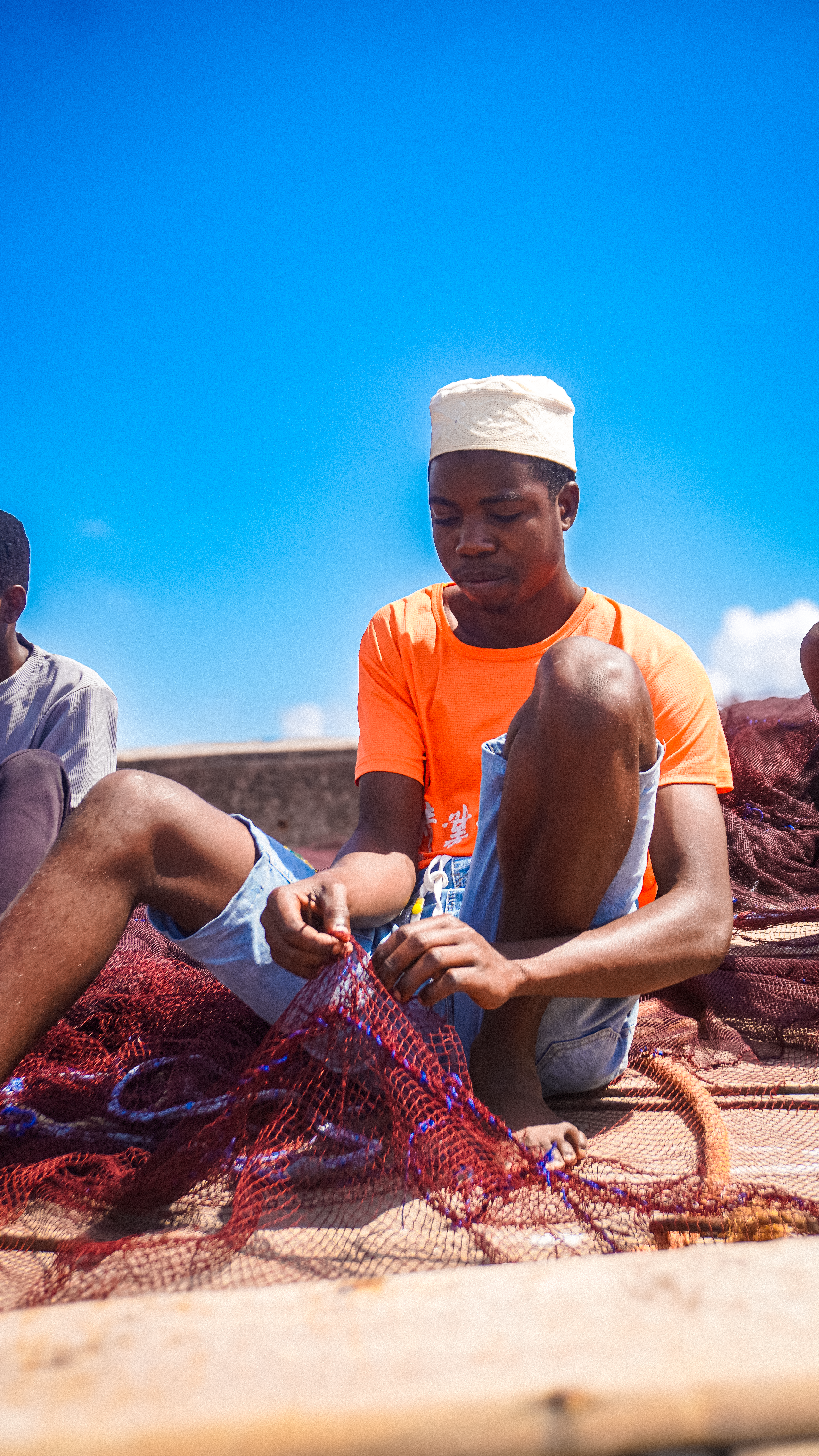
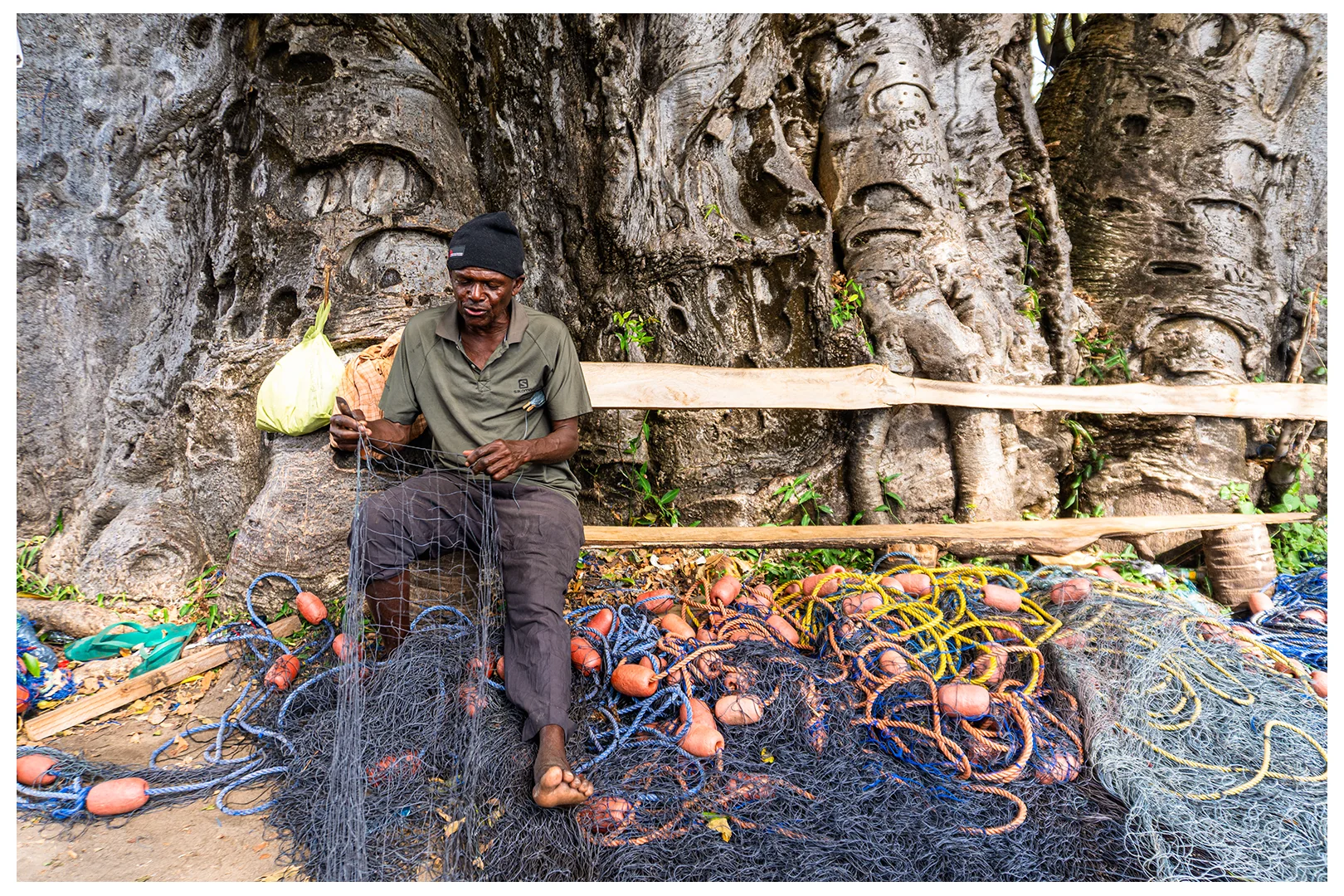
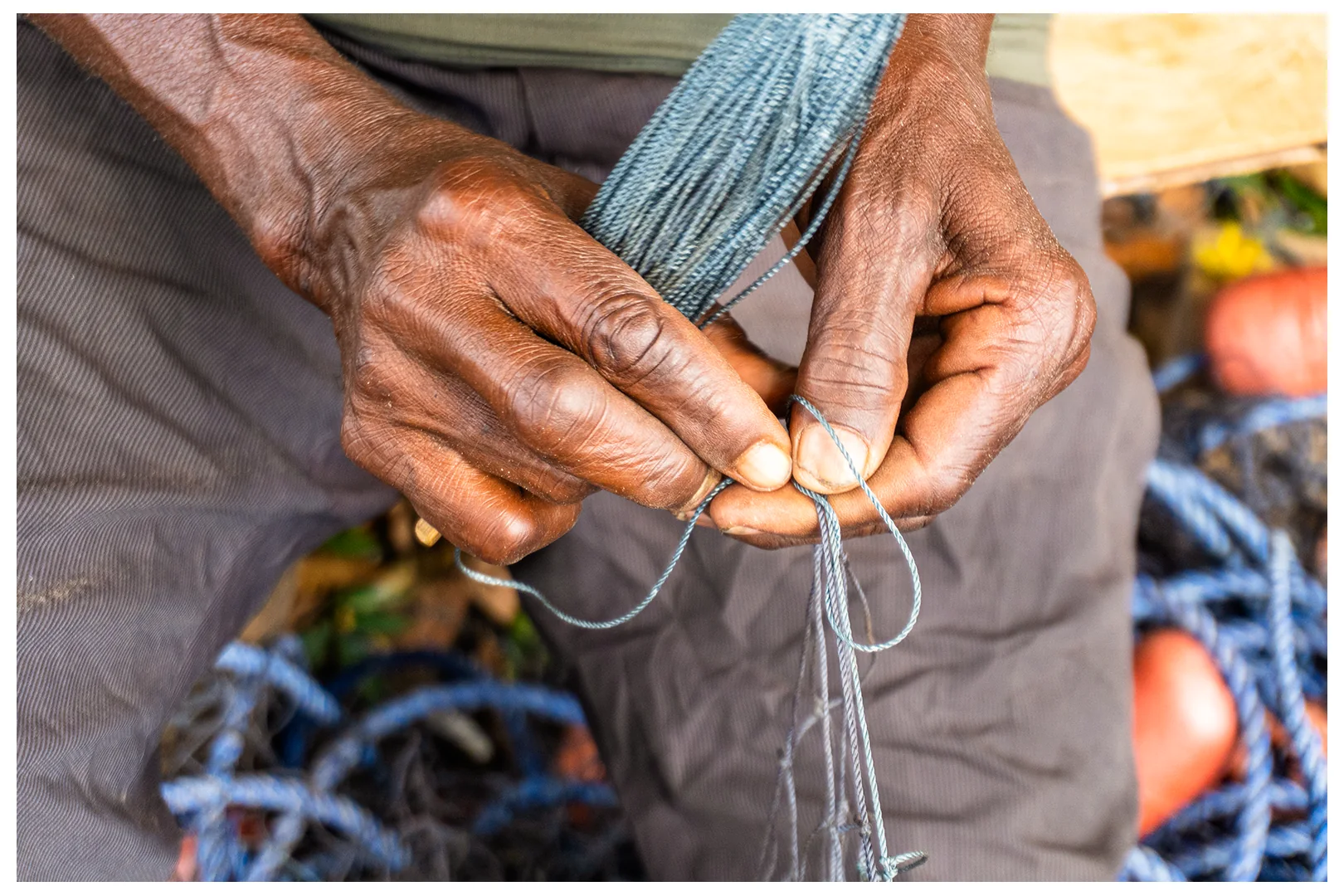
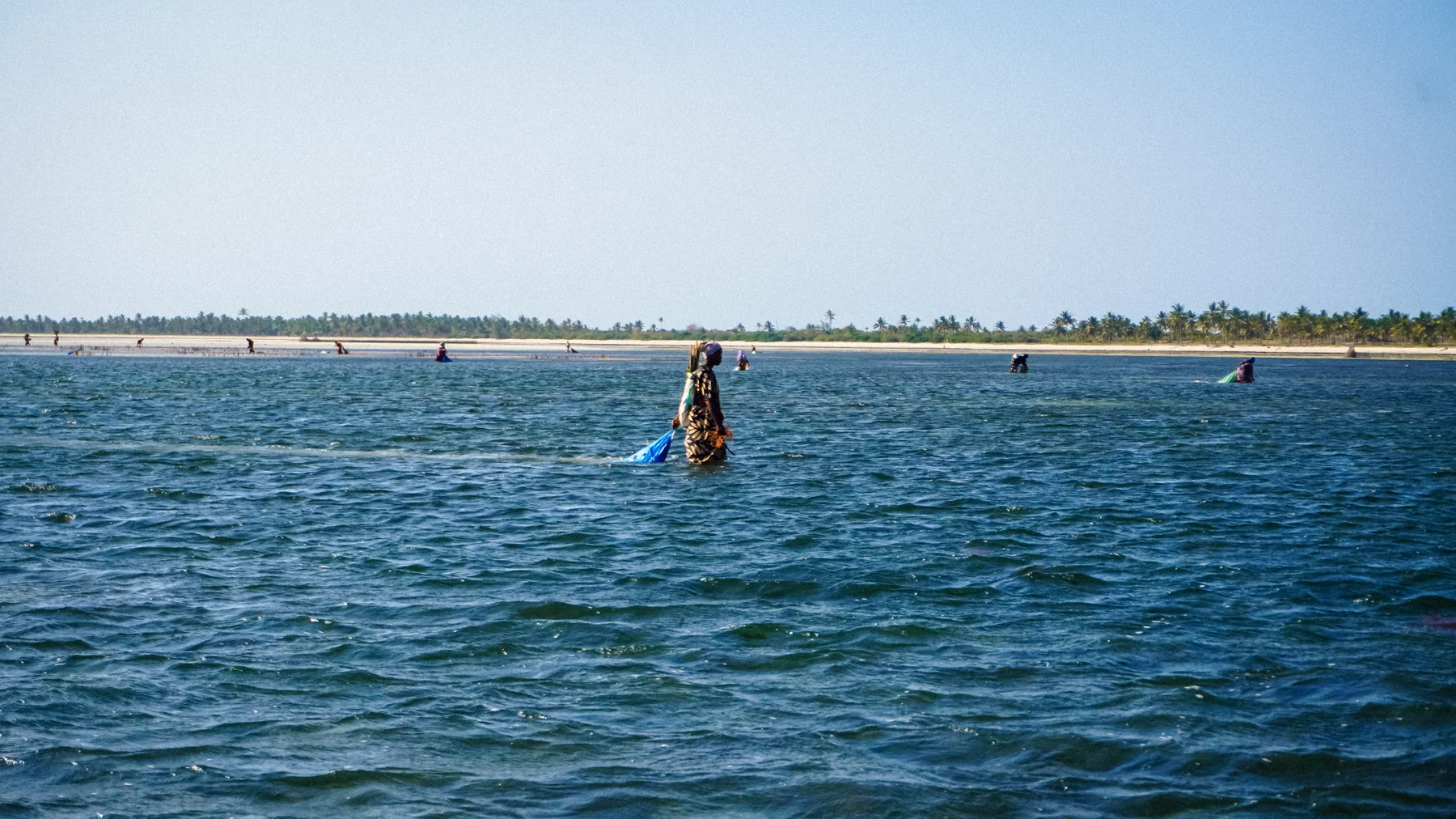
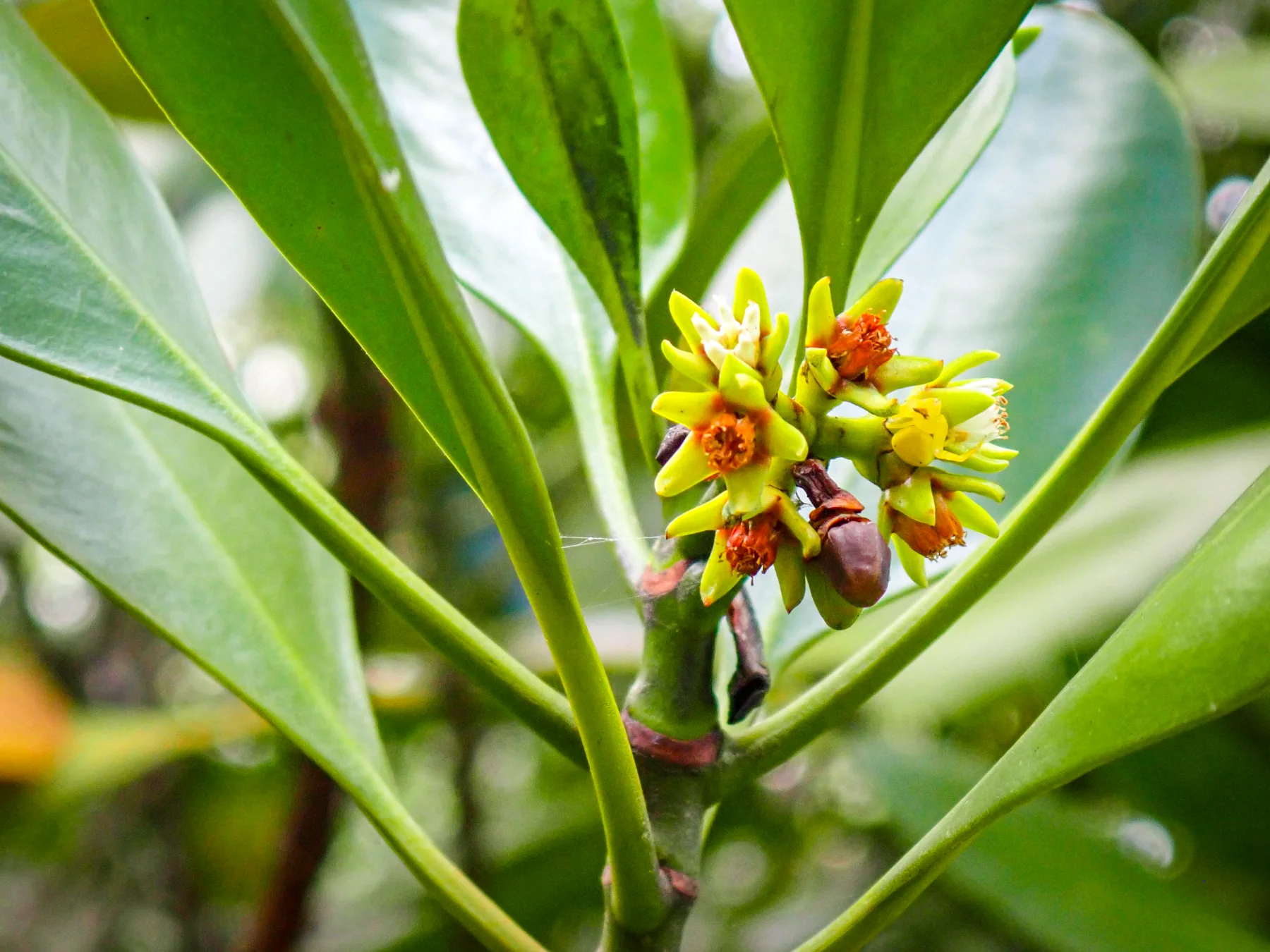
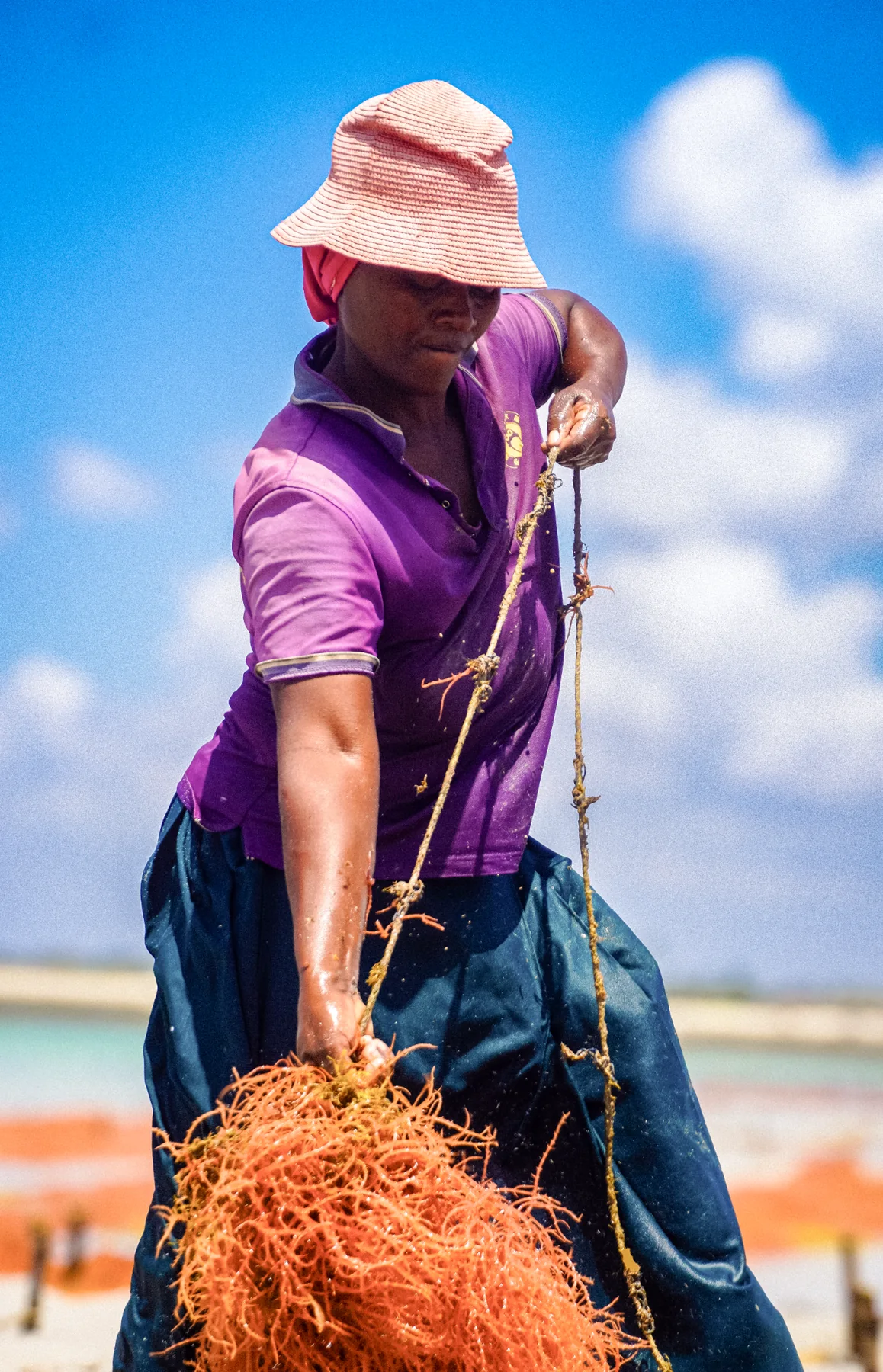
Authentic field photography helps ground the website in the people, livelihoods and natural environments at the centre of community resilience.


These areas illustrate how JRO’s approved strategic objectives connect with selected Sustainable Development Goals. Final programme-level mapping can be refined as projects and indicators are confirmed.

Livelihood resilience, family support and recovery from shocks are connected to reducing vulnerability and poverty.

Climate-smart farming, agroforestry and resilient livelihoods can strengthen household food and livelihood security.

Community health systems, mental health, immunisation, health awareness and integrated outreach are central to JRO’s health objectives.

Community adaptation, mitigation, preparedness and recovery are embedded in JRO’s conservation and humanitarian objectives.

JRO’s conservation objectives include marine and coastal ecosystems, biodiversity and responsible natural-resource management.
The thematic mapping communicates areas of contribution and does not imply endorsement by the United Nations.
New organisational updates, programme launches and community stories will appear here as they are published.
JRO welcomes partnerships that bring together resources, technical expertise, innovation, networks, research, and community knowledge to address interconnected challenges and contribute to measurable and sustainable results.
JRO welcomes collaboration that brings together resources, technical expertise, innovation, research and community knowledge to create measurable and sustainable results.
Stronger communities are built through relationships. Work with JRO as a partner, supporter or collaborator and help turn local knowledge, practical ideas and shared resources into lasting resilience.