Resilience · Dignity · Livelihood
Four integrated pillars

Our Work

Community Health, Environmental Conservation, Humanitarian Protection and Sustainable Energy — working together to build resilient communities.

Four integrated areas of work

Our Focus Areas

Although our work is organized into four focus areas, the challenges communities face rarely fit neatly into one sector. JRO therefore seeks to connect our programmes wherever this creates greater value for communities.

Health, environmental conservation, humanitarian protection, sustainable livelihoods, climate resilience, and clean energy are interconnected parts of community well-being. By working across these areas, we aim to address immediate needs while helping communities build the knowledge, capacities, opportunities, and systems they need to become more resilient over the long term.
View all
Health and Well-being

Health and Well-being

We work with communities to improve health and well-being by strengthening local capacity, expanding access to essential information and services, and supporting people to make healthier choices and build more resilient lives.

Learn more →
Conservation and Climate Resilience
Conservation & Climate

Conservation and Climate Resilience

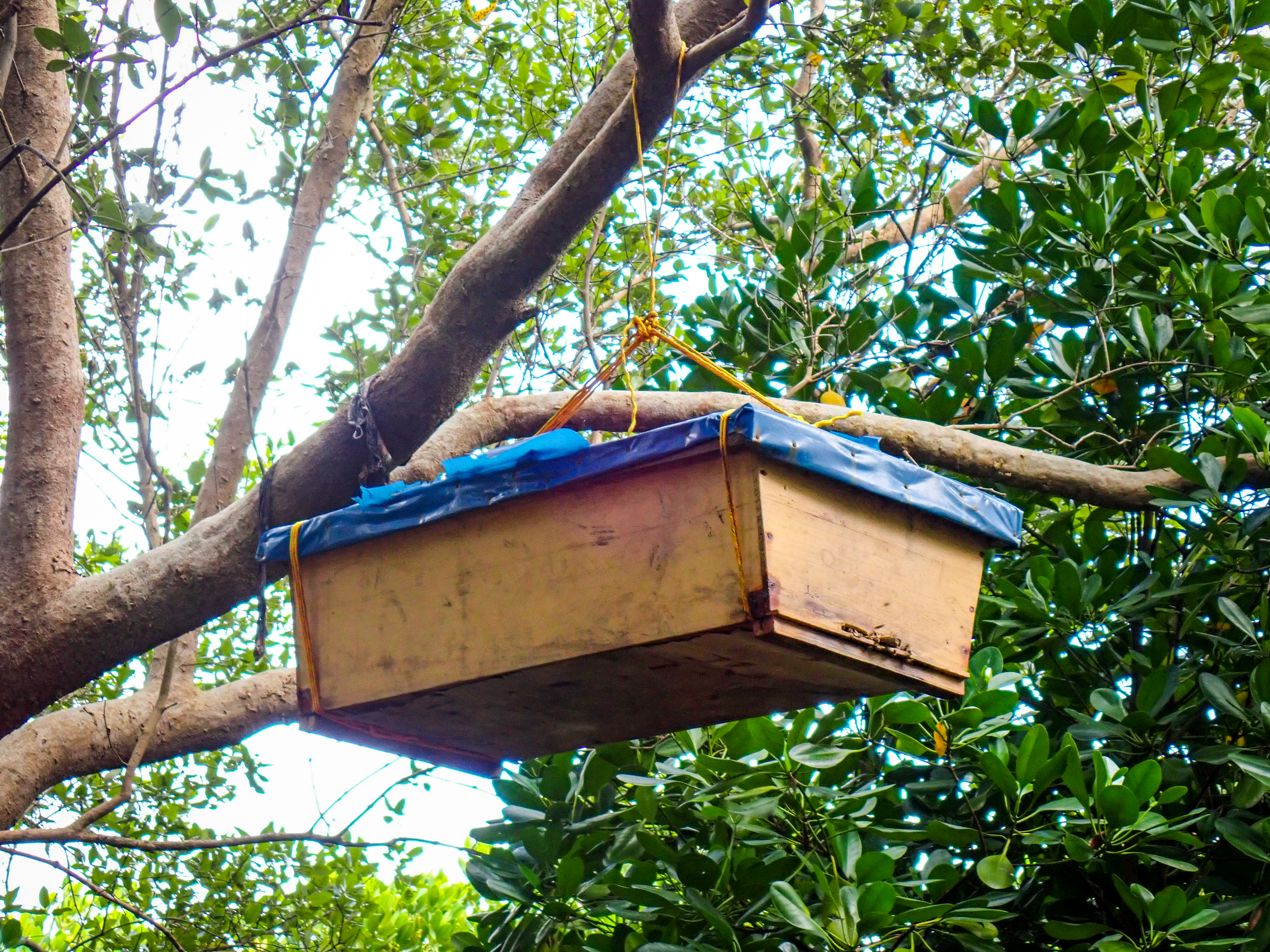
We support communities to protect the natural resources they depend on, adapt to climate change, and build sustainable livelihoods that strengthen resilience while safeguarding the environment for future generations.

Learn more →
Humanitarian Response and Protection
Humanitarian & Protection

Humanitarian Response and Protection

We support vulnerable individuals, families and communities affected by humanitarian crises, displacement, poverty, disasters and other shocks through timely assistance, protection, recovery and resilience-building.

Learn more →
Renewable and Sustainable Energy
Sustainable Energy

Renewable and Sustainable Energy

We work with communities to expand access to clean, reliable and affordable energy while creating opportunities for green entrepreneurship, innovation and sustainable livelihoods.

Learn more →
The JRO Resilience Pathways Model

Our Approach

JRO believes that lasting change begins when communities are not only supported to address immediate challenges, but are also equipped with the knowledge, systems, resources and opportunities to manage future risks. Our approach is built around the JRO Resilience Pathways Model — a community-centered framework that connects health and well-being, environmental conservation, humanitarian protection, sustainable livelihoods and clean energy. Listen → Co-Design → Act → Strengthen → Adapt

01

Listen

We begin by listening to communities and understanding the realities they face. We assess needs, vulnerabilities, risks, existing capacities, local knowledge and opportunities, using community engagement, data and evidence to understand what matters most.

02

Co-Design

We work with communities, government, local institutions and partners to design responses together. Rather than applying pre-set solutions, we build on local knowledge, existing systems and community priorities to develop practical and locally appropriate interventions.

03

Act

We translate priorities into action through programmes across our four pillars: Health and Well-being; Conservation and Climate Resilience; Humanitarian Response and Protection; and Renewable and Sustainable Energy. Where appropriate, these interventions are connected so that progress in one area reinforces progress in another—for example, linking climate resilience with livelihoods, health with community awareness, or clean energy with economic opportunity.

04

Strengthen

We focus not only on delivering activities, but on strengthening the people, institutions and systems that can sustain change. This includes developing community leadership, strengthening local organizations, building skills, supporting livelihoods, improving access to information and strengthening linkages with government and other service providers.

05

Adapt

Communities and their environments are constantly changing. JRO therefore uses monitoring, evaluation, accountability, learning and community feedback to understand what is working, what is not, and what needs to change. Evidence and learning are used to continuously improve our programmes and strengthen resilience over time.

Listen first. Act together. Strengthen what works. Keep learning.
How we work at every stage

Our Principles

Across every stage of the model, JRO is guided by five principles:

• Community ownership — communities are partners and decision-makers, not passive beneficiaries.
• Evidence and learning — decisions are informed by data, experience and continuous learning.
• Inclusion and protection — programmes seek to reach and meaningfully involve vulnerable and underserved groups.
• Integration — interconnected challenges are addressed through complementary solutions.
• Accountability and sustainability — we remain accountable to communities, partners and stakeholders while investing in solutions that can endure.

The Resilience Pathways Model provides a common way of working across JRO's programmes while allowing each intervention to respond to the specific context, priorities and capacities of the communities involved.

We listen first, act together, strengthen what works, and continuously adapt—because resilience is not a one-time intervention, but a process that communities build and sustain over time.